
Introduction
Social Media Marketing is a powerful strategy for businesses to build brand awareness, connect with their audience, increase engagement, and drive sustainable business growth.
In today’s digital world, social media is no longer just a place to share photos, videos, or personal updates. It has become a powerful space where businesses can connect with people, build relationships, showcase their value, and create long-term customer loyalty. With billions of people spending time on platforms such as Instagram, Facebook, LinkedIn, and YouTube, businesses have a valuable opportunity to reach potential customers where they already spend their time.
Social Media Marketing helps businesses use these platforms strategically instead of simply posting content without a clear purpose. The right strategy can help a brand attract the right audience, increase engagement, build credibility, generate leads, and encourage customers to take action.
But there is an important difference between having followers and having loyal customers. A large follower count may look impressive, but real business growth comes when followers trust your brand and choose your products or services.
This blog explains how businesses can turn social media followers into loyal customers through valuable content, meaningful engagement, consistent branding, smart strategies, and customer-focused communication.
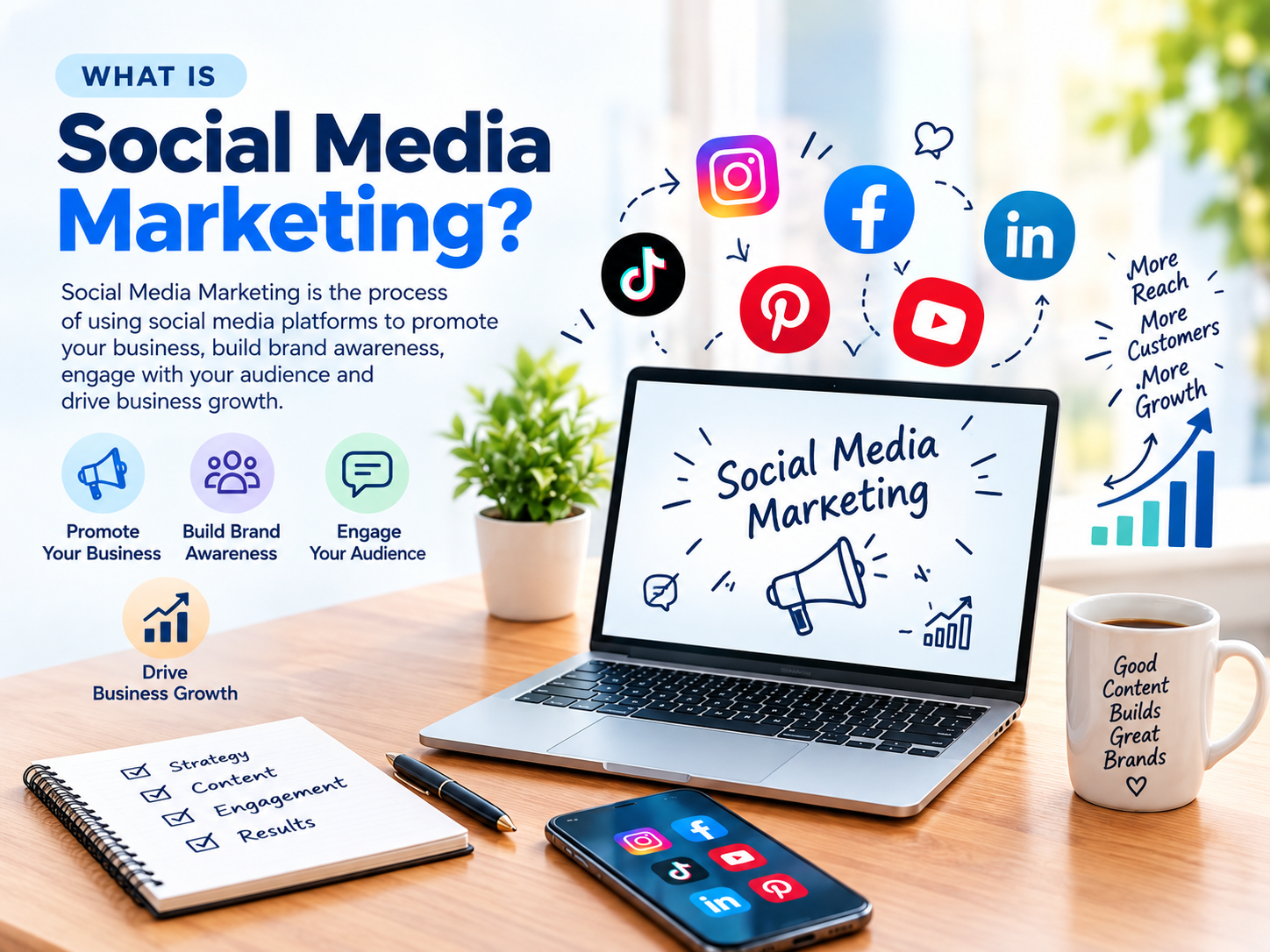
Social Media Marketing is the process of using social media platforms to promote a business, connect with a target audience, build brand awareness, and achieve specific marketing goals. Instead of simply publishing random posts, businesses use planned content and communication to attract the right people and encourage them to interact with the brand.
Platforms such as Instagram, Facebook, LinkedIn, YouTube, and other social networks provide different opportunities for businesses to reach potential customers. For example, a fashion brand may use Instagram Reels to showcase its products, while a B2B company may use LinkedIn to share industry insights and connect with professionals.
An effective Social Media Marketing Strategy combines valuable content, consistent communication, audience engagement, visual storytelling, and performance analysis. It focuses on giving users useful or interesting content rather than constantly trying to sell something.
The ultimate goal is to create a journey where a person discovers a brand, becomes interested in its content, develops trust, and eventually becomes a customer. With the right approach, social media can become more than a platform for visibility—it can become a powerful channel for sustainable business growth.
What Is Social Media Marketing?
Builds brand awareness among the right audience.
Creates customer engagement through comments, messages, polls, and discussions.
Generates leads by directing interested users toward products, services, or websites.
Builds trust through consistent and valuable content.
Supports sales and growth by turning audience interest into meaningful actions.
Important Points
Today, social platforms are more than places to share updates—they are digital spaces where people discover new brands, compare solutions, ask questions, and decide which businesses deserve their attention. This creates an important opportunity for businesses to connect with potential customers in a more direct and personal way. A strategic Social Media Marketing plan can help a brand become more visible, communicate its value, attract potential customers, and maintain relationships long after the first interaction.
Increases Brand Visibility
Social media gives businesses a consistent space to showcase who they are and what they offer. By publishing original content, useful information, visual stories, and brand updates regularly, businesses can stay in front of their target audience.
Maintaining consistent colors, designs, tone, and messaging across platforms can also create a recognizable brand identity. Over time, repeated exposure to valuable content can help audiences remember and distinguish the brand from competitors.
Encourages Real Conversations With Customers
Unlike many traditional marketing channels, social media creates opportunities for two-way communication. Customers can comment on posts, send messages, answer polls, share opinions, or ask questions directly.
Responding thoughtfully to these interactions shows that a business values its audience rather than simply using social media as a place to advertise. Regular conversations can also provide useful insights into customer interests, questions, expectations, and common problems.
Turns Audience Interest Into Potential Leads
Having followers is only one part of social media success. The bigger opportunity is to guide interested people toward meaningful business actions.
Businesses can use educational posts, short-form videos, product demonstrations, special offers, lead forms, website links, and clear calls-to-action to encourage users to take the next step. Depending on the business, that action might be visiting a website, requesting a quotation, sending an enquiry, booking a service, or making a purchase.
Strengthens Brand Trust
Trust is built through consistency and useful communication. Instead of making every post promotional, businesses can share content that demonstrates their expertise and provides genuine value to their audience.
Customer stories, helpful tips, industry knowledge, project highlights, frequently asked questions, behind-the-scenes content, and educational posts can all contribute to a stronger sense of credibility. When people repeatedly see useful and authentic content, they may become more comfortable considering the brand when they need a relevant product or service.
Creates a Community Around Your Brand
A strong social presence can go beyond individual customers and help create a community around a business. Encouraging discussions, responding to feedback, highlighting customer experiences, and creating interactive content can make followers feel involved with the brand.
This sense of connection can encourage people to engage more frequently, share content with others, and recommend the business within their own networks.
Supports Sustainable Business Growth
The real objective of social media should not be limited to collecting likes or increasing follower numbers. Its long-term value comes from building an audience that recognizes the brand, trusts its expertise, engages with its content, and eventually takes meaningful business actions.
With the right combination of valuable content, consistent branding, audience engagement, lead generation, and performance analysis, social media can become an important channel for creating lasting digital growth.
Why Is Social Media Marketing Important for Businesses?
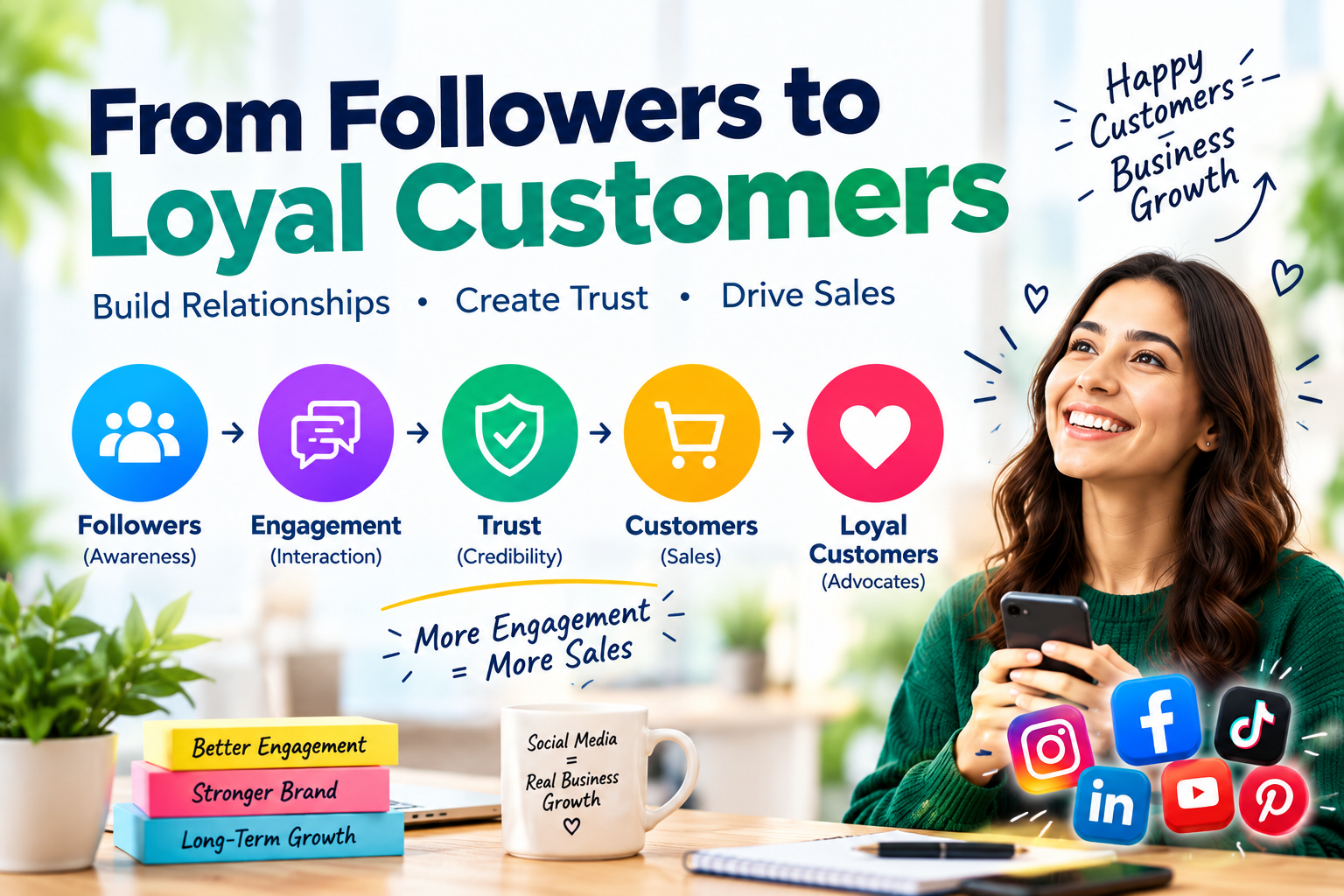
Having a large number of followers can increase your brand’s visibility, but followers alone do not guarantee business growth. The real value of Social Media Marketing comes from building trust and meaningful relationships with your audience. When followers find your content useful, feel connected to your brand, and receive a positive experience, they are more likely to become customers and return in the future.
1. Understand Your Target Audience
The first step is to understand who you want to reach. Identify your audience’s interests, needs, problems, preferences, and buying behavior. When you understand what your audience actually wants, you can create content that feels relevant rather than promotional.
For example, a digital marketing agency may create content about SEO, Google Ads, social media tips, and website growth because these topics address common business challenges.
2. Create Valuable and Original Content
People follow brands because they expect something useful, interesting, or inspiring. Instead of posting only promotional content, share educational tips, short videos, industry insights, tutorials, FAQs, customer stories, and engaging visuals.
A good content strategy should answer one simple question:
“What value does this post give to my audience?”
When your content consistently provides value, followers have more reasons to stay connected with your brand.
3. Build Genuine Engagement
Social media should be a two-way conversation. Reply to comments, answer questions, respond to messages, and encourage people to share their opinions.
Simple actions such as asking a question at the end of a post or creating a poll can make followers feel involved. This regular interaction can strengthen the relationship between your audience and your brand.
4. Show Your Brand Personality
People connect with brands that feel authentic and relatable. Your business does not have to sound overly formal in every post. Share your brand’s story, team moments, creative process, achievements, and behind-the-scenes content when appropriate.
A consistent personality can help your audience remember your brand and develop a stronger emotional connection with it.
5. Use Clear Calls-to-Action
Once followers are interested in your content, tell them what they can do next. A clear Call-to-Action (CTA) can guide users toward meaningful actions.
Examples include:
Learn More
Visit Our Website
Contact Us
Get Started
Book a Consultation
Send Us a Message
The CTA should match the purpose of the content and make the next step simple.
6. Deliver a Positive Customer Experience
Turning a follower into a customer is only the beginning. To create loyalty, businesses need to continue providing a good experience after the purchase.
Respond professionally, solve customer questions, appreciate feedback, and continue sharing useful content. When customers feel valued beyond the sale, they are more likely to return and recommend your brand to others.
How to Turn Followers Into Loyal Customers
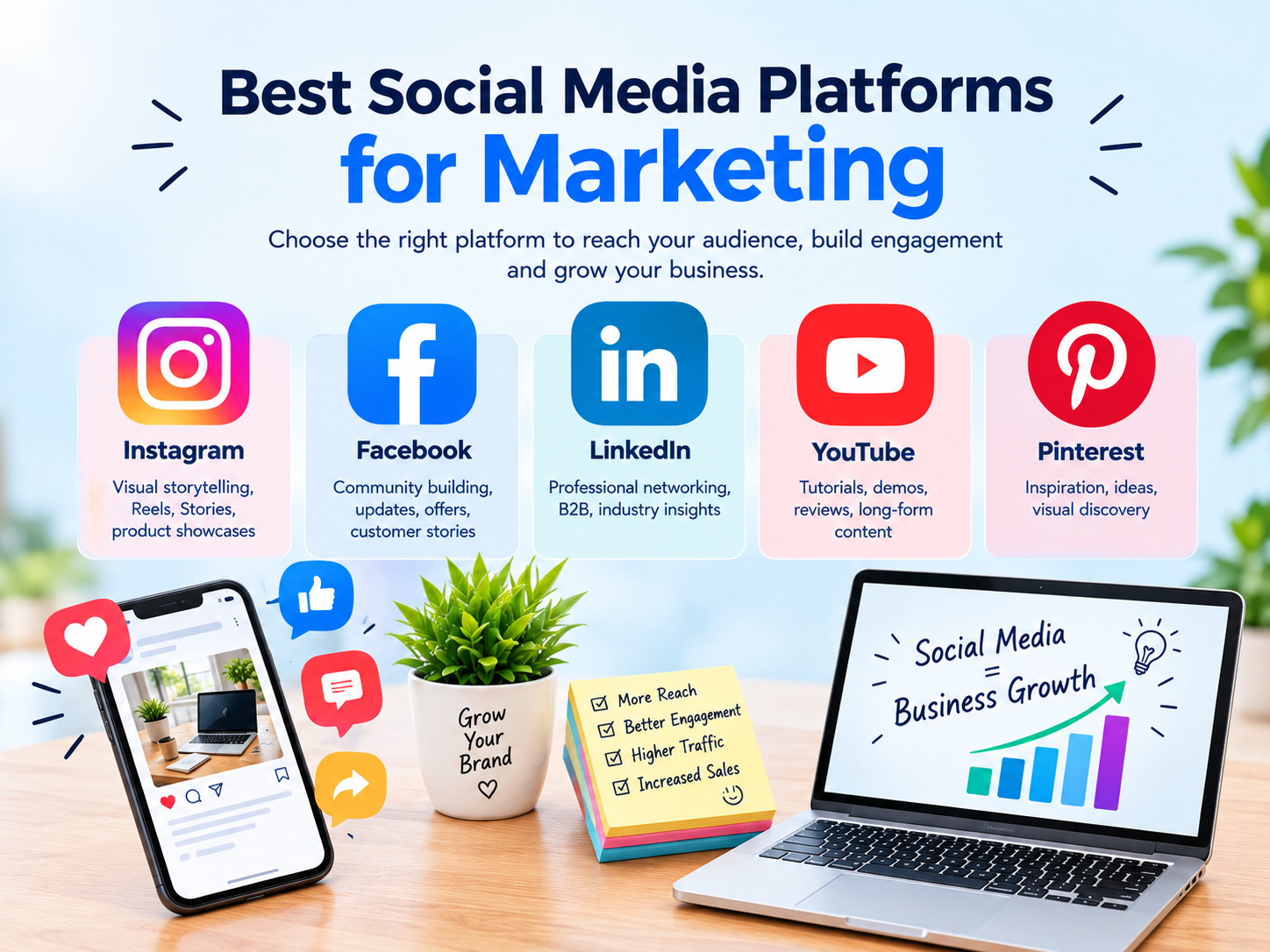
Not every social media platform works in the same way, and businesses do not need to be active on every platform. The right choice depends on the target audience, business type, content style, and marketing goals. A smart Social Media Marketing Strategy focuses on the platforms where potential customers are most likely to spend their time.
1. Instagram – Visual Storytelling and Brand Discovery
Instagram is useful for businesses that can communicate through images, short videos, Reels, Stories, and visual content. It can help brands showcase products, services, company culture, and customer experiences in an engaging way.
Businesses can use Reels for reach, Stories for regular interaction, and carousels for educational content. Consistent visual branding can also make a business more recognizable.
Best for: Fashion, beauty, food, lifestyle, e-commerce, personal brands, and creative businesses.
2. Facebook – Community and Customer Connection
Facebook remains useful for building communities and maintaining direct communication with customers. Businesses can share updates, educational posts, videos, offers, customer stories, and other content.
Facebook Groups can also help businesses create communities around specific interests or industries. Paid advertising can be used to reach selected audiences based on relevant targeting options.
Best for: Local businesses, service providers, communities, e-commerce, and businesses targeting broad audiences.
3. LinkedIn – Professional and B2B Marketing
LinkedIn is particularly valuable for professional networking and B2B marketing. Businesses can share industry knowledge, company updates, case studies, professional insights, and educational content.
Instead of focusing only on selling, brands can use LinkedIn to demonstrate expertise and build relationships with decision-makers and professionals.
Best for: B2B companies, digital agencies, consultants, technology companies, recruiters, and professional services.
4. YouTube – Educational and Long-Form Content
YouTube is ideal for businesses that can explain their products, services, or expertise through video. Tutorials, demonstrations, reviews, interviews, webinars, and educational videos can help audiences understand a brand more deeply.
Useful videos can continue attracting viewers through search and recommendations long after they are published.
Best for: Education, technology, tutorials, product demonstrations, reviews, and expert-led businesses.
5. Pinterest – Inspiration and Content Discovery
Pinterest can be valuable for businesses that depend heavily on visual discovery and inspiration. Users often search for ideas, designs, products, guides, and solutions, making it useful for businesses with visually appealing content.
Best Social Media Platforms for Marketing
Creating content consistently is one of the most important parts of a successful Social Media Marketing strategy. However, businesses often struggle with one question: “What should we post?” The goal isn’t to sell something in every post—it’s to create content that people genuinely value. Instead, businesses should create a balanced content mix that educates, entertains, informs, and encourages people to interact with the brand.
Here are some effective content ideas that can help businesses keep their audience interested and build stronger relationships.
1. Educational Content
Share useful information that helps your audience solve a problem or learn something new. Tips, guides, tutorials, and industry knowledge can position your business as a helpful source of information.
2. Short-Form Videos and Reels
Short videos can quickly communicate an idea and capture attention. Businesses can create quick tips, product demonstrations, behind-the-scenes clips, FAQs, or simple educational videos.
3. Customer Stories and Testimonials
Real customer experiences can make your brand more trustworthy. Share testimonials, success stories, reviews, or case studies with appropriate customer permission.
4. Behind-the-Scenes Content
Give followers a look at the people and process behind your business. Office moments, team activities, product creation, or preparation for a project can make your brand feel more authentic.
5. Frequently Asked Questions
Transform frequently asked customer questions into engaging social content. This provides useful information while showing that your business understands the concerns of its audience.
6. Industry Tips and Insights
Share current knowledge, practical suggestions, and useful observations related to your industry. This type of content can encourage people to follow your page for valuable information rather than only promotional offers.
7. Interactive Posts
Use polls, questions, quizzes, and “this or that” posts to encourage participation. Interactive content can create conversations and help businesses understand what their audience thinks.
8. User-Generated Content
Content created by customers can provide authentic social proof. When customers share their experience with your brand, featuring suitable content can strengthen community and trust.
9. Product or Service Demonstrations
Instead of simply saying that your product or service is useful, show people how it works. Demonstrations can make complex features easier to understand and help potential customers make informed decisions.
10. Helpful Promotional Content
Promotional posts still have an important place in social media, but they should provide a clear reason for the audience to take action. Highlight a specific benefit, offer, solution, or opportunity instead of using generic sales messages.
Social Media Marketing Content Ideas
Posting regularly on social media is not enough to achieve consistent business growth. A successful Social Media Marketing Strategy needs clear goals, relevant content, audience understanding, and continuous improvement. Instead of focusing only on likes and followers, businesses should create strategies that encourage meaningful actions such as engagement, website visits, inquiries, leads, and purchases.
1. Maintain a Consistent Posting Schedule
Consistency helps your audience know when to expect new content from your brand. Create a realistic content calendar and decide how often you can publish without reducing quality.
Your schedule can include a mix of Reels, images, carousels, Stories, videos, and educational posts. The goal is not to post as much as possible, but to remain consistently useful and visible.
2. Focus on Visual and Engaging Content
Social media is highly visual, so the presentation of your content matters. Use clear designs, attractive images, short videos, animations, and easy-to-read text to communicate your message.
However, attractive visuals should support a useful message. A beautiful post without value may get attention, but valuable content gives people a reason to remember and follow your brand.
3. Use Analytics to Understand What Works
Analytics can show you how your audience responds to your content. Track metrics such as reach, impressions, engagement, profile visits, website clicks, leads, and conversions.
For example, if educational Reels consistently receive higher engagement than promotional posts, you can create more educational video content. Data helps you make decisions based on audience behavior rather than assumptions.
4. Test Different Content and Strategies
There is no single strategy that works perfectly for every business. Experiment with different topics, formats, captions, posting times, CTAs, and creative styles.
Compare the results and identify what performs best. This process of testing and improving can help your brand develop a more effective social media approach over time.
5. Combine Organic Content With Paid Advertising
Organic content helps businesses build relationships and maintain a community, while paid advertising can help reach specific audiences more quickly.
Businesses can use social media advertising to promote selected products, services, offers, lead-generation campaigns, or important content. The key is to target relevant audiences and connect advertisements to a clear business objective.
Social Media Marketing Strategies That Drive Results
A strong social media presence is not built only by creating more posts. Businesses also need to understand what can reduce audience engagement and damage customer trust. Avoiding common mistakes can make your Social Media Marketing efforts more effective and help you build stronger relationships with potential customers.
1. Posting Only Promotional Content
One of the biggest mistakes is making every post about selling a product or service. If followers constantly see advertisements, they may lose interest in your content.
Better approach: Follow a balanced content strategy that includes educational, entertaining, informative, and promotional posts.
2. Ignoring Comments and Messages
Social media is a communication channel, not just a publishing platform. Ignoring questions, comments, or messages can make customers feel that the business does not value them.
Better approach: Respond to relevant comments and messages professionally and as quickly as possible.
3. Posting Without a Clear Strategy
Random posting can make a brand’s social presence inconsistent. Without clear goals, it can also become difficult to understand whether your efforts are producing results.
Better approach: Create a content calendar and connect each post with a specific goal such as awareness, engagement, traffic, leads, or conversions.
4. Focusing Only on Follower Count
A large follower count may look impressive, but it does not always represent business success. Thousands of followers are less valuable if they never engage with your brand or become customers.
Better approach: Track meaningful metrics such as engagement, website visits, leads, conversions, and customer retention.
5. Using the Same Content Everywhere
Every social media platform has its own audience behavior and content style. Copying the exact same post across every platform may not produce the best results.
Better approach: Adapt your message, format, and presentation to suit each platform while keeping your brand identity consistent.
6. Neglecting Analytics
Without checking performance data, businesses may continue spending time on content that does not work.
Common Social Media Marketing Mistakes to Avoid
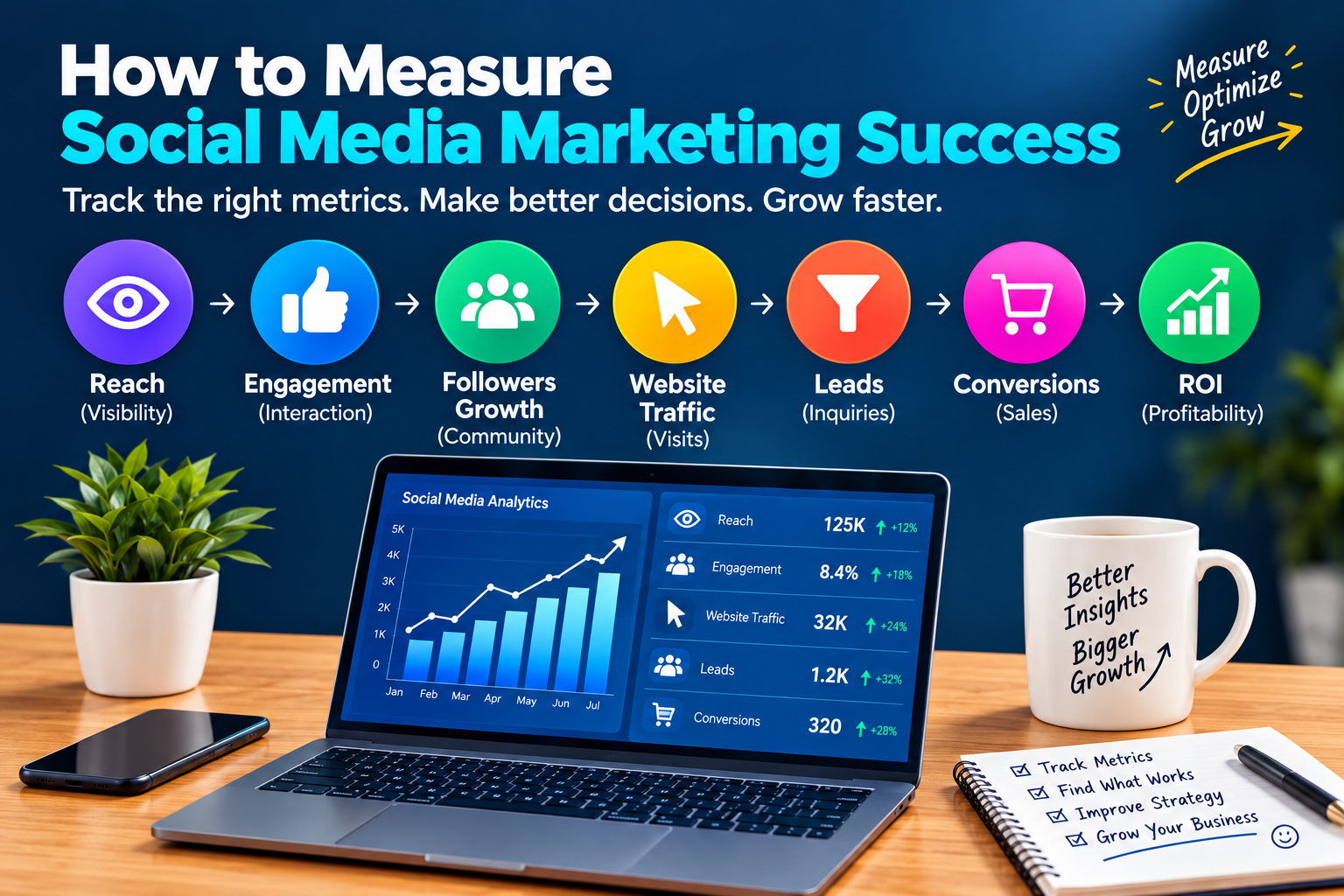
Creating content and gaining followers are only part of a successful Social Media Marketing strategy. To understand whether your efforts are actually helping your business, you need to measure the right performance indicators. Analytics can show what your audience likes, which content brings results, and where your strategy needs improvement.
1. Reach
Reach tells you how many unique people have seen your content. A growing reach means your content is being discovered by more people and your brand visibility is increasing.
2. Engagement Rate
Engagement includes likes, comments, shares, saves, and other interactions. A strong engagement rate indicates that your content is relevant enough to encourage people to respond.
3. Follower Growth
Tracking follower growth can help you understand whether your social presence is attracting new people. However, focus on attracting the right followers, not simply increasing the number.
4. Website Traffic
Social media can bring visitors to your website through profile links, posts, Stories, videos, and advertisements. Use website traffic data to understand how effectively social platforms are bringing interested users to your site.
5. Leads and Inquiries5. Leads and Inquiries
For service-based businesses, leads can be more valuable than likes. Track contact form submissions, direct messages, consultation requests, calls, and other inquiries generated through social media.
6. Conversions and Sales
The most important measurement for many businesses is whether social media activity contributes to actual conversions. Depending on the business, a conversion could be a purchase, booking, signup, consultation, or service inquiry.
7. Return on Investment
Return on Investment (ROI) helps businesses understand whether the money and resources invested in social media are producing worthwhile business results. This is particularly important when running paid advertising campaigns.
How to Measure Social Media Marketing Success
Turn Social Media Followers Into Long-Term Customers
Building a successful social media presence is not simply about collecting followers or receiving likes. The real opportunity lies in creating meaningful connections that encourage people to trust your brand and take action. A well-planned Social Media Marketing strategy can help businesses move beyond basic visibility and create a community of engaged customers.
From understanding your target audience and creating valuable content to responding to customers and measuring performance, every part of your strategy can contribute to long-term growth. Businesses should focus on providing value, maintaining consistency, building trust, and continuously improving their approach based on audience behavior and results.
Remember, followers are the beginning of the customer journey, not the final goal. When you consistently communicate with your audience and deliver a positive brand experience, followers can gradually become customers and loyal supporters of your business.
With the right strategy, creativity, and consistent effort, social media can become a powerful channel for building your brand and achieving sustainable business growth.
Ready to Grow Your Brand?
Velixo Digital can help businesses build a stronger social media presence with creative content, audience-focused strategies, and performance-driven digital marketing.
Turn your followers into loyal customers and take your brand to the next level with a smarter Social Media Marketing strategy.
Contact Velixo Digital today and start building your social media growth strategy.
Conclusion
1. What is Social Media Marketing?
Social Media Marketing is the process of using social media platforms to promote a business, connect with the target audience, build brand awareness, generate leads, and increase customer engagement.
2. Why is Social Media Marketing important for businesses?
Social Media Marketing helps businesses reach potential customers, build trust, communicate directly with their audience, increase brand visibility, and create opportunities for leads and sales.
3. How can Social Media Marketing turn followers into customers?
Businesses can turn followers into customers by understanding their audience, creating valuable content, building genuine engagement, providing a positive customer experience, and using clear calls-to-action that guide followers toward the next step.
4. Which social media platform is best for marketing?
There is no single platform that is best for every business. Instagram, Facebook, LinkedIn, YouTube, and Pinterest can all be effective depending on the target audience, business type, content format, and marketing goals.
5. How often should a business post on social media?
Businesses should follow a consistent posting schedule that they can maintain without sacrificing content quality. The ideal frequency depends on the platform, audience, content type, and overall marketing strategy.
6. What type of content works best on social media?
Educational posts, short-form videos, Reels, customer testimonials, tutorials, FAQs, behind-the-scenes content, industry tips, interactive posts, and useful promotional content can all help attract and engage an audience.
7. How do I measure Social Media Marketing success?
You can measure success using metrics such as reach, engagement rate, follower growth, website traffic, leads, conversions, sales, and return on investment (ROI). The most important metrics depend on your business goals.
8. Is Social Media Marketing useful for small businesses?
Yes. Small businesses can use social media to increase brand awareness, communicate directly with customers, showcase their products or services, build credibility, and reach relevant audiences without relying only on traditional marketing methods.
9. Should businesses use paid social media advertising?
Paid advertising can help businesses reach specific audiences and promote products, services, offers, or lead-generation campaigns. It can be especially useful when combined with valuable organic content and a clear marketing objective.
10. How long does it take to see results from Social Media Marketing?
Results vary depending on the business, audience, platform, content quality, consistency, and strategy. Building trust and a loyal audience generally takes time, so businesses should focus on consistent improvement rather than expecting instant results.